-
Terraform Import: Configuring Existing Infrastructure
Quick guide on how to import existing infrastructure with Terraform’s import block. Listen ⇢

-
Code release handling with Canary and AWS CDK
In this blog a comprehensive comparison has been provided to get insights into the so called blue-green deployment method versus the canary one. While release testing may result in an “all-green”-state and therefore a schedule is being made for a code switch to get the new release version into a… Listen ⇢

-
Blue-Green vs Canary Deployment: A Comprehensive Comparison
In this blog post a high-level comparison is provided between blue-green deployments versus those known as canary deployments. Blue-Green Deployment Overview: This strategy involves maintaining two identical environments: a live “blue” environment and a new “green” environment. Once the green environment is validated, traffic is quickly switched from blue to… Listen ⇢

-
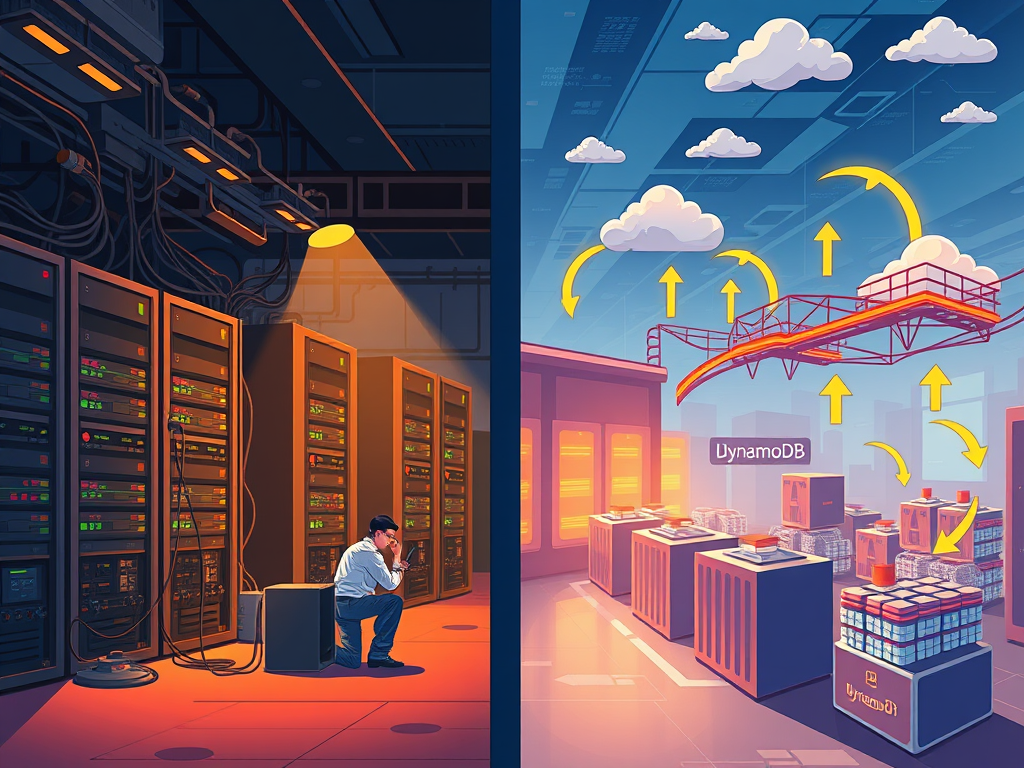
Scalability Approach: RDBMS vs. DynamoDB
Traditional RDBMS faces scalability challenges due to complex and costly horizontal scaling, time-consuming SQL joins, and maximum limits on file sizes. In contrast, DynamoDB allows for seamless scalability by automatically adapting to workloads, efficiently managing large datasets, and eliminating upper limits on table size, ensuring consistent performance with resource allocation… Listen ⇢
-
Unlocking the Power of AWS DynamoDB: Benefits and Challenges for Your Applications
AWS DynamoDB is a scalable and fully managed database service, ideal for applications needing real-time data access and high throughput, particularly for serverless architectures and IoT. It boasts cost-effective pricing models but presents challenges with transaction support, schema management, large data items, and potential vendor lock-in, necessitating adaptation for SQL… Listen ⇢

-
Automated EC2 Updates with CloudFormation, Launch Templates, and Auto Scaling Groups
Concept In well-regulated environments, keeping EC2 instances up-to-date from an OS security perspective is often a requirement. This can become a time-consuming, hands-on effort for various teams involved in patching—often expected to be executed quarterly. This article demonstrates an alternative approach: leveraging automation to replace EC2 instances with new, freshly… Listen ⇢

-
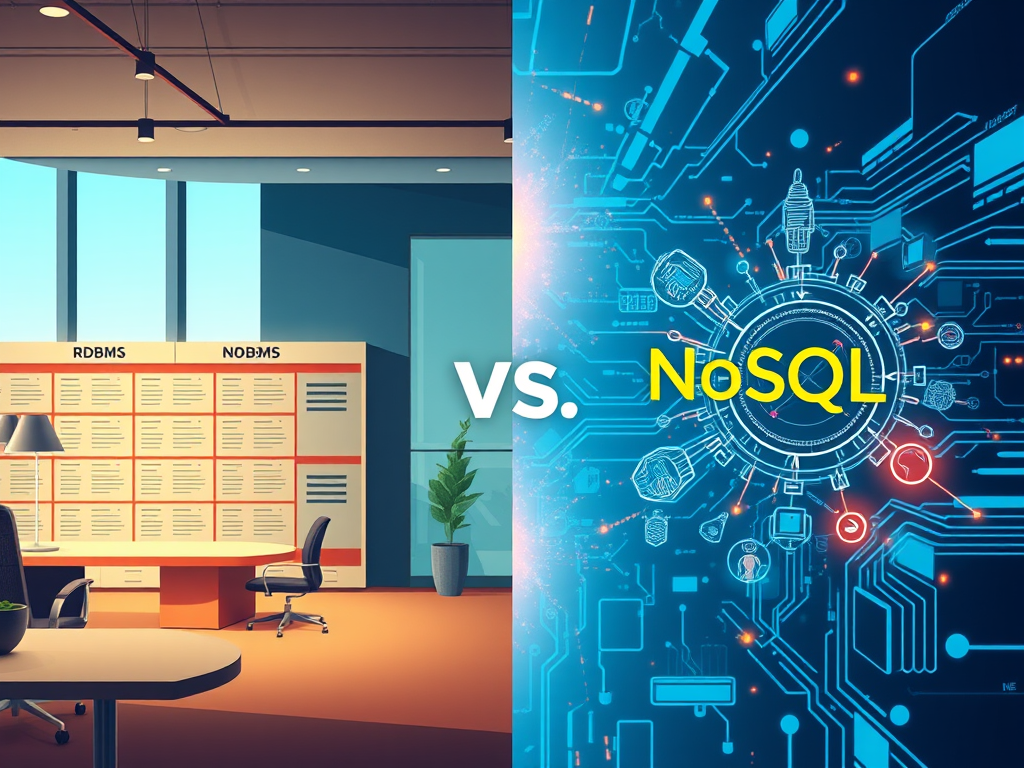
RDBMS vs. Amazon DynamoDB: Key Differences and Benefits
When comparing a classic Relational Database Management System (RDBMS) like Oracle or MySQL to Amazon DynamoDB, several key differences and benefits emerge: 1. Data Model Classic RDBMS: RDBMS follows a structured, relational data model with tables, rows, and columns. Data is normalized to reduce redundancy. DynamoDB: DynamoDB is a NoSQL database that… Listen ⇢
-
A High-Level Overview of AWS CloudFormation
What is AWS CloudFormation at a high level and what it is meant to be used for? Listen ⇢

-
High-Speed Logging Meets Serverless Design
AWS CloudFormation deployed High Speed Logging processing to meet high scale and full hands-off automations. Listen ⇢